
Installation of Hydrogen Refueling Stations
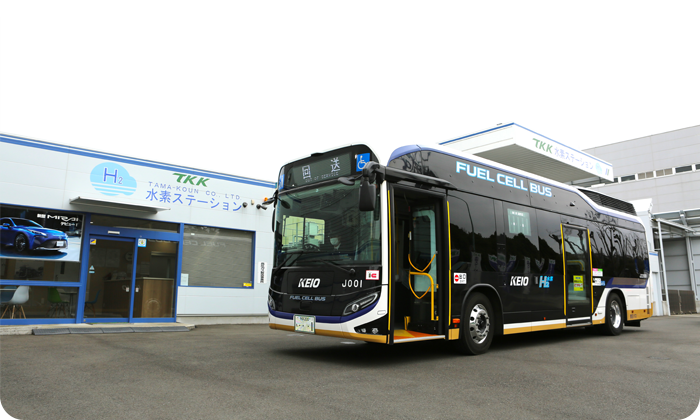
TKK Hydrogen Refueling Station
Hydrogen Refueling Stations – What Are They?
Just as gasoline vehicles cannot refuel without gas stations, Fuel Cell Vehicles (FCVs), Fuel Cell Buses (FC Buses), and Fuel Cell Trucks (FC Trucks) require "hydrogen refueling stations" to supply hydrogen fuel to the vehicles.
So, how is hydrogen actually supplied to FCVs and similar vehicles? Similar to how gasoline is pumped from underground tanks through a fueling nozzle at a gas station, hydrogen is stored in high-pressure tanks (cylinders) and supplied to vehicles via a special nozzle attached to a dispenser at a hydrogen refueling station. A full hydrogen refill for an FCV typically takes about 3 minutes, which is comparable to refueling a gasoline vehicle.
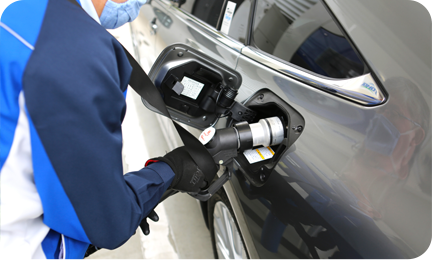 When refueling hydrogen, the nozzle is inserted into the car’s fueling port
Hydrogen Refueling Station Equipment and Safety Measures
A hydrogen refueling station includes dispensers for refueling vehicles and buses, equipment to produce hydrogen, storage facilities (such as trailers and high-pressure tanks), compressors to increase pressure, and precoolers to cool hydrogen before refueling.
Each hydrogen refueling station incorporates strict safety measures based on laws such as the High Pressure Gas Safety Act. For example, they are equipped with seismometers, fire detectors, gas leak detectors, and flame sensors that trigger automatic shutdowns when abnormalities are detected. Equipment pressure levels are regularly inspected to maintain proper functioning, making Japanese hydrogen refueling stations among the safest in the world.
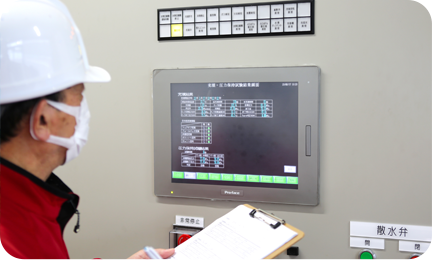 Inspection of equipment after hydrogen refueling
Hydrogen Refueling Stations in Tokyo
As of April 2026, there are 29 hydrogen refueling stations in Tokyo, all operated by private companies.
The TKK Hydrogen Refueling Station in Minamino, Tama City (operated by Tama Koun Co., Ltd.) is the first FC bus-compatible station in Tokyo's suburban areas. It supplies hydrogen derived from waste plastic, which has an even lower environmental impact, and hosts FCV exhibitions and test drives, power supply function demonstrations, FC bus displays, and station tours. The hydrogen refueling station also cooperates in training sessions for small-scale gas station operators organized by the Tokyo Metropolitan Government.
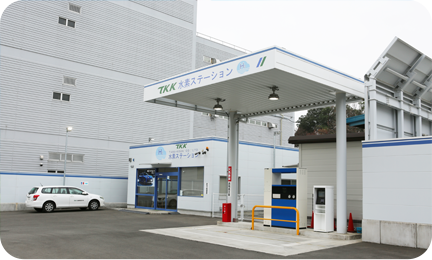 TKK Hydrogen Refueling Station
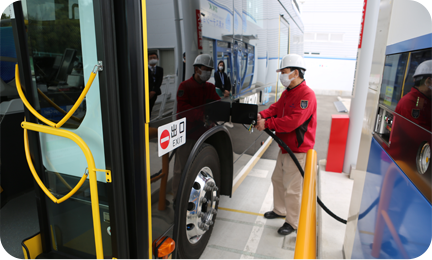 Hydrogen refueling for an FC bus
At the Shinsuna Hydrogen Refueling Station in Koto City (operated by Tomoe Shokai Co., Ltd.), hydrogen is also supplied to both FCVs and FC buses. In addition to supplying hydrogen derived from waste plastic, the station has provided hydrogen from FH2R—one of the world’s largest hydrogen production facilities using renewable energy in Fukushima Prefecture. The station is also notable for its compact size and urban-friendly design.
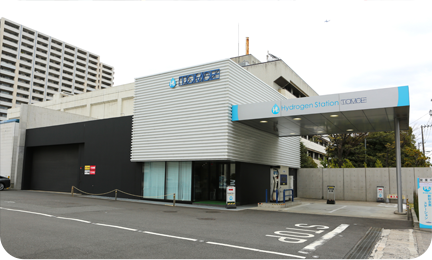 Shinsuna Hydrogen Refueling Station exterior
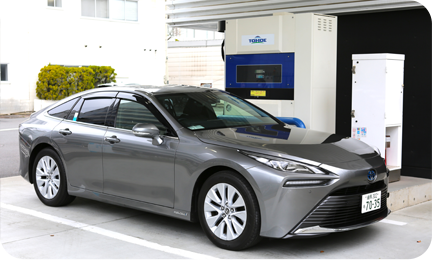 Fuel Cell Vehicle
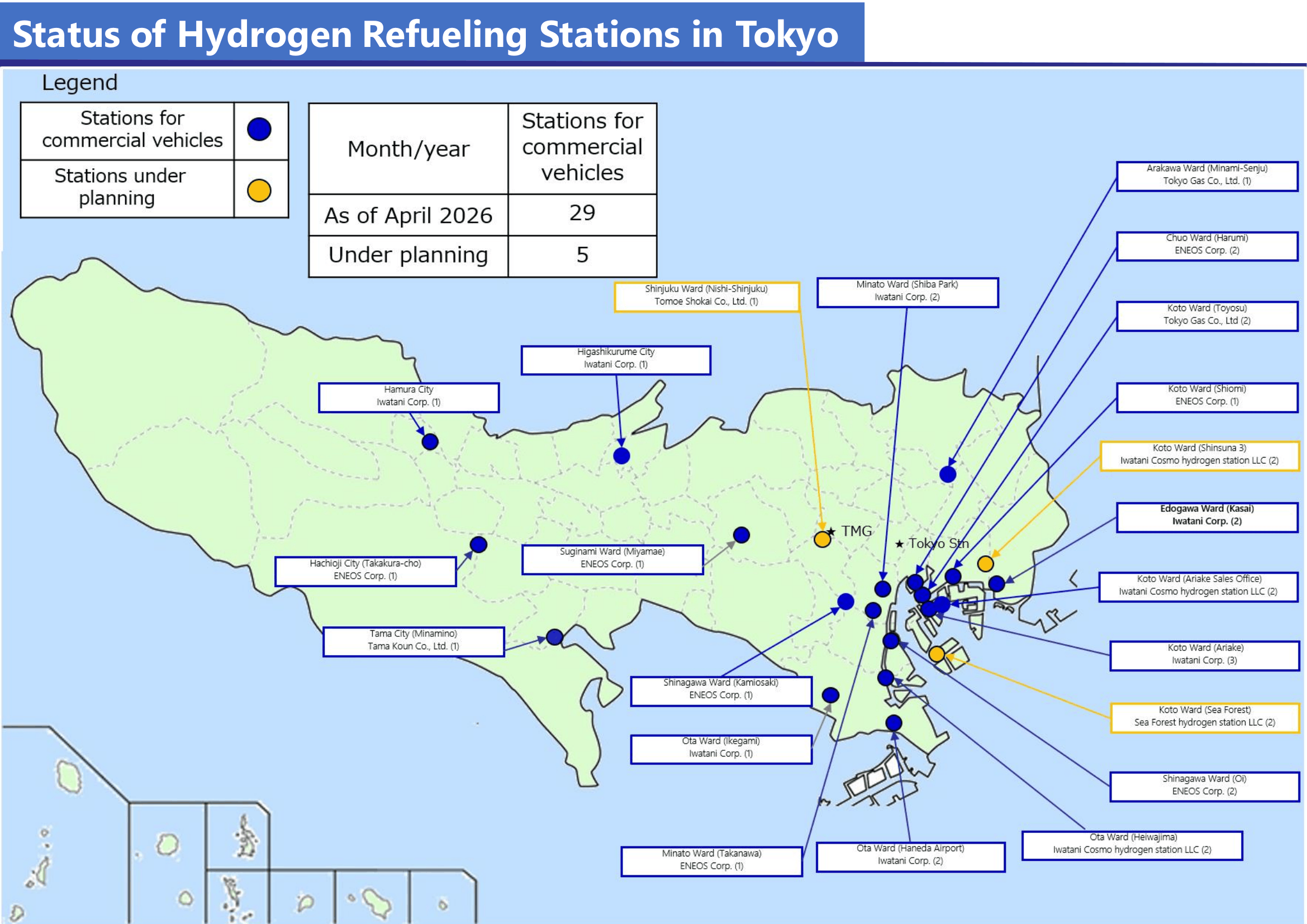 Hydrogen Refueling Station Development Status in Tokyo
Promoting Hydrogen Refueling Station Deployment
In order to expand the use of Hydrogen-fueled vehicles such as FCVs, FC buses, and FC trucks, it is necessary to create an environment where users can find hydrogen refueling stations nearby and fill up on hydrogen with peace of mind at any time.
The Tokyo Metropolitan Government will continue to support the expansion of hydrogen refueling stations through comprehensive subsidies for both Installation and operational costs.
